Featured
Table of Contents
Low morale, missed quotas, and misaligned groups these issues often share a common root cause: an underpowered or non-existent sales enablement method. When sellers can't find the best sales enablement content, aren't trained for real-world obstacles, and manage a lot of tools with little guidance, your whole purchaser experience suffers. Prospects fail the fractures, marketing blames sales, and sales blames marketing.
However a well-crafted sales enablement strategy tackles these concerns at their core by bringing function to your team's efforts. In a nutshell, sales enablement guarantees sellers have the ideal resources, tools, and training to close offers. It can raise sales outcomes and tighten team collaboration, but that's simply scratching the surface area.
That much deeper approach causes concrete wins: shorter sales cycles, tighter positioning in between sales and marketing groups, and a purchaser experience that feels individual instead of cookie-cutter. If you opt for the essentials, you'll wind up with a check-the-box technique that looks great on paper however does not move the needle.
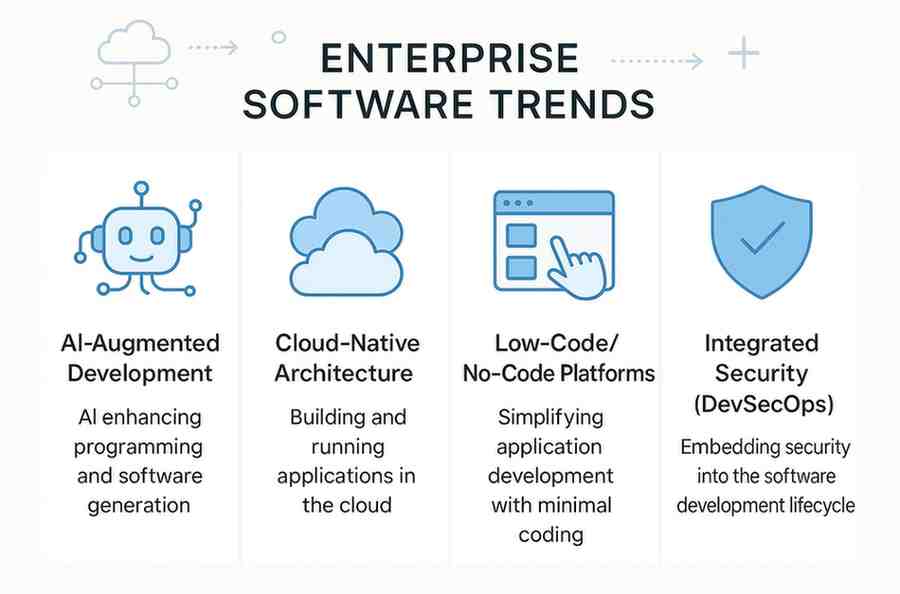
Why Modern SAAS Boosts Corporate Growth
Are the resources you're developing attending to authentic pain points and sticking out, or could they be refined to better cut through the sound? CRMs, sales enablement software application, and analytics tools are essential, but is your tech stack genuinely empowering your team? Have you discovered a streamlined balance that works, or exist opportunities to simplify and enhance your systems? Skill-building is crucial for success.
Material just adds worth when it's practical, timely, and straight tackles what buyers care about. A solid workflow does not stifle imagination; it develops the consistency your group requires to succeed.
Misaligned value props, mismatched discomfort points, or conflicting responses to objections develop confusionand confusion is an offer killer. Tightening up your messaging guarantees everyone is on the very same page and builds trust with buyers. Adding glossy new tools without addressing real spaces in your procedure can backfire quickly. A puffed up tech stack complicates workflows and overwhelms your group.
Innovation can take a great deal of the trouble out of sales. It conserves time, assists you work smarter, and offers you the tools to connect with purchasers more efficiently. Amanda Mikesell-Carrera, a sales leader at IBM, shared how her group improved their sales procedures by upgrading their sales enablement tools.
Why Modern Software Boosts Enterprise Growth
Automation cuts down on the time spent on repeated jobs, providing sellers more area to focus on their current and possible customers. Getting your group to in fact use a tool can be a difficulty.
Amanda described, "We fixed integration concerns and offered sellers the best training to make the tool fit into their daily work." It's all about making the tools work for your team, not the other way around. Context matters. Understanding a possibility's history can make all the difference. Hannah Elwell, another IBM seller, shared an example: "I reconnected with a possibility who had reacted to an e-mail 3 years ago.
You can see the complete talk on how IBM flawlessly incorporates cutting-edge sales enablement tools like Salesloft into their tech stack listed below. Sales enablement isn't practically sellers. It has to do with assisting buyers navigate their journey and have a favorable consumer experience. Buyers are overwhelmed by options and need guidance to make positive choices.
Why Next-Gen SAAS Boosts Corporate GrowthEmpowering Sales Groups with Data-Driven Customer Intelligence
Supply material customized to each buyer journey phase, not just generic security. Produce resources that streamline decision-making within intricate buyer groups, from clear service cases to tools that align varied top priorities. You're not just offering an item or servicewhen you make it possible for purchasers.
Spot patterns in sales training effectiveness and change accordingly. Identify real-time buyer engagement shifts and tailor outreach. Identify early indications of churn and resolve them proactively. Our conversation intelligence offers you a front-row seat to what's working and what's not. By examining real conversations, you can identify exactly what resonates with your buyerswhether it's a value proposition, objection-handling method, or particular messaging.
Regardless of all the talk about alignment, silos in between sales, marketing, and enablement persistand they do not just vanish with more meetings. Here's what it looks like when enablement is running efficiently and driving real collaboration: Define shared metrics that hold sales, marketing, and enablement accountable to the same outcomeslike earnings development, offer velocity, or win rates.
Why Next-Gen SAAS Boosts Corporate GrowthUse regular, structured sessions to brainstorm, line up on messaging, and develop unified playbooks. These areas need to concentrate on actionnot just discussionso your groups entrust to clear next actions. Draw up workflows to specify how marketing content feeds into enablement, how enablement provides to sales, and how sales offers feedback in return.
Mastering Modern AI AEO Discovery for Maximized Returns
Usage earnings orchestration platforms, shared content management systems, and integrated CRMs to develop openness and make partnership easier. The best tech must break down walls, not include friction. Seamless collaboration doesn't simply happenit's built through deliberate alignment, constant communication, and tools that empower every group. And the reward? Groups that operate as one, better buyer experiences, and larger wins across the board.
All set to level up your sales enablement? Here's where to start: Conduct an extensive audit to discover spaces in tools, training, and sales enablement procedures.
Keep your teams in the loop to drive engagement. Sales enablement is about offering your team what they require to offer smarter, quicker, and better.
You're not just supporting sales; you're driving real results much shorter sales cycles, bigger offer sizes, and more income. Think of it: when associates have the ideal content at the correct time, they can concentrate on offering instead of scrambling for resources. When your training sticks, it helps turn excellent reps into leading performers.
Desire more insights? Sign up for our resource centerwe're constantly sharing real, actionable strategies to help you make it happen.
Mastering Modern AI Search Discovery for Higher Returns
Sales enablement is in some cases misinterpreted for other functions especially sales training and sales operations. While they all support sellers, each plays an unique function. Sales operations concentrates on systems and logistics: CRM management, forecasting, territory preparation, and lead routing. Sales enablement, on the other hand, is about enhancing performance.
Training is often event-based like onboarding or quarterly refreshers. It focuses on abilities. Enablement is continuous. It consists of training, but likewise enhances it with training, content, and real-time tools sellers can use in the minute. Sales operations = procedures, platforms, and preparing Sales training = skills, onboarding, and discovering events Sales enablement = individuals, content, and efficiency Sales enablement has evolved from a support function into a tactical earnings engine.

Latest Posts
Top Keyword Research Tools for Success
Mastering Complex AI Search Visibility for Higher Returns
Practical Steps to Growing Technical Operations Sustainably